
 EN
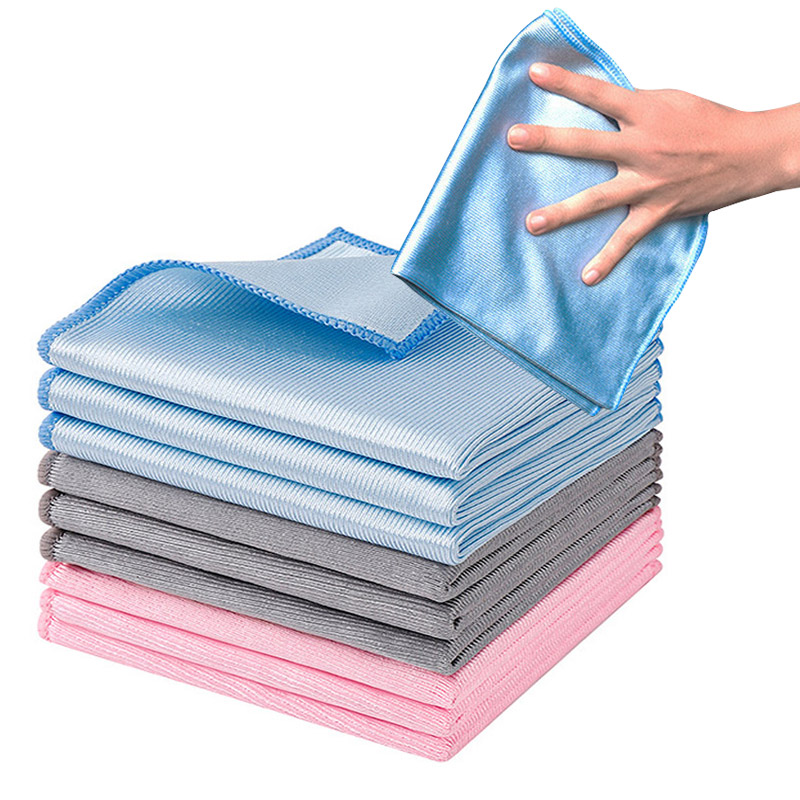
Microfiber fabrics are specialized textiles made of synthetic fibers that are finer than a human hair. Known for their unique properties, they offer various advantages, particularly in industrial applications of microfiber fabrics. This article will explore the advantages of microfiber fabrics, their manufacturing process, and the diverse applications across several sectors. By understanding these aspects, B2B buyers, such as purchasing managers, distributors, and product managers, can make informed decisions when sourcing microfiber fabrics products.
Understanding the Advantages of Microfiber Fabrics for B2B Buyers
Microfiber fabrics present several key advantages that are particularly appealing to B2B buyers. Firstly, their superior absorbency is a significant factor, microfiber fabric can absorb up to seven times its weight in liquid, making it ideal for cleaning and maintenance tasks in various industries. This high absorbency helps reduce cleaning times and improves efficiency in both household and commercial applications.
Secondly, microfiber is highly durable. Fabrics made from polyester and polyamide blend fibers can withstand repeated washing without losing their effectiveness, making them a cost-effective choice in the long run. This durability also translates into lower replacement rates, which can significantly decrease operational costs.
Moreover, microfiber's fine structure makes it excellent for capturing dust and allergens, which is crucial for industries focused on hygiene, such as healthcare and food processing. Finally, the lightweight nature of microfiber cloth fabrics reduces shipping costs and makes them easier to handle during production and distribution.
What Buyers Should Know?
As a buyer, understanding the specifications and applications of microfiber fabrics is vital. Key specifications include fiber density, thickness, and the specific blend of materials used. For instance, a higher fiber density often correlates with improved cleaning capabilities and durability. Buyers should inquire about the microfiber's GSM (grams per square meter) to assess its thickness and suitability for intended applications.
Another critical consideration is the manufacturing process. Microfiber fabrics are typically produced through knitting or weaving, followed by processes such as ultrasonic cutting. Understanding these methods can help buyers assess the quality of the finished product. It's also essential to check for quality certifications that confirm adherence to industry standards.
When sourcing products, buyers should clearly communicate their needs regarding customization, including colors, sizes, and packaging options. A reputable supplier will be able to accommodate these requests and provide samples for approval before mass production begins.
A Buyer’s Guide
When preparing to purchase microfiber fabrics, B2B buyers should follow a structured approach:
Define Requirements: Clearly outline the specifications needed for your application, including material type, dimensions, performance characteristics, and any customization needs.
Request Samples: Always request samples to evaluate the fabric's performance against your requirements. Testing samples can reveal how the material behaves under actual operational conditions.
Evaluate Suppliers: Look for manufacturers with a proven track record in producing custom microfiber cloths products. Assess their production capabilities, quality control processes, and customer service responsiveness.
Confirm MOQ and Pricing: Understand the minimum order quantities (MOQ) and how pricing is structured. Factors such as order volume and customization can affect pricing, so it’s important to confirm these details upfront.
Discuss Lead Times: Inquire about lead times for production and delivery. This information is crucial for planning and ensuring your project stays on schedule.
Quality Checks: Before finalizing any order, clarify the quality inspection process. Ensure the supplier has robust quality control measures in place to guarantee the consistency and reliability of the fabrics.
Where to Source High-Quality Microfiber Fabrics for Bulk Orders?
Sourcing high-quality microfiber fabrics requires a strategic approach. Buyers should consider suppliers with extensive manufacturing experience and advanced production technologies. Companies like Ningbo Cozihome Houseware Co., Ltd., which has over 17 years of experience, exemplify reliability in this sector.
When evaluating potential suppliers, look for those that offer comprehensive product catalogs, detailing various microfiber product options along with their specifications. Check if they export to multiple countries, which can indicate a stable quality of production that meets international standards.
Additionally, inquire about customization capabilities. Suppliers that can accommodate low-volume custom orders may provide more flexible solutions that fit specific business needs. This is particularly beneficial for companies looking to differentiate their products in the market.
Exploring Industrial Applications of Microfiber Fabrics in Various Sectors
Microfiber fabrics have versatile applications across multiple sectors, significantly enhancing operational efficiency and product quality.
Cleaning and Janitorial Services: Microfiber is widely used in cleaning products due to its ability to trap dust, dirt, and bacteria without the need for harsh chemicals. This makes it a preferred choice for eco-friendly cleaning solutions in both commercial and residential settings.
Automotive Industry: In automotive detailing, microfiber cloths are favored for their softness and scratch-free cleaning capabilities. They are used for drying, polishing, and applying wax, ensuring a pristine finish without damaging paint surfaces.
Healthcare: Hospitals and clinics utilize microfiber fabrics for their antimicrobial properties. These fabrics help maintain hygiene by effectively cleaning surfaces and equipment, reducing the risk of infections.
Textiles and Fashion: The fashion industry has also seen a rise in the use of microfiber for clothing and accessories, providing a soft touch, durability, and ease of maintenance.
Sports and Outdoor Gear: Microfiber is used in the production of lightweight, packable gear such as towels and clothing, which are essential for outdoor activities and sports.
By understanding the specific applications and advantages of microfiber fabrics, B2B buyers can make informed decisions that align with their operational needs and market demands.